AI in Cybersecurity: How Enterprises Can Use AI to Stay Ahead of Evolving Threats

Introduction

Cybersecurity threats are evolving at an unprecedented pace, and enterprises need AI-driven solutions to stay ahead of cybercriminals. AI-powered cybersecurity enhances threat detection, automates incident response, and provides predictive analytics to prevent attacks before they occur.

In 2025, businesses that fail to integrate AI into their cybersecurity strategies will be vulnerable to data breaches, ransomware attacks, and sophisticated cyber threats. AI is no longer just an enhancement—it’s an essential defense layer in enterprise security.

How AI is Revolutionizing Cybersecurity

AI-Powered Threat Detection and Response

AI-driven security systems analyze vast amounts of data in real time to identify and neutralize cyber threats. Machine learning models continuously learn from new attack patterns, allowing organizations to detect threats faster than traditional security systems.

Automated Incident Response with AI

AI-powered security solutions automate threat mitigation by instantly isolating compromised systems, blocking suspicious activities, and alerting security teams before major breaches occur.

Predictive Cybersecurity Analytics

AI analyzes historical attack data, network behavior, and system vulnerabilities to predict potential security risks. Businesses can proactively address threats before they escalate, improving overall security resilience.

Key Benefits of AI in Enterprise Cybersecurity

Real-Time Threat Detection and Response

AI reduces the time it takes to detect and respond to cyber threats, preventing major security breaches.

Adaptive Security Frameworks

Unlike traditional security tools, AI-driven systems evolve continuously to counter new attack strategies.

Reduced False Positives in Security Alerts

AI refines threat detection accuracy, minimizing unnecessary alerts and enabling security teams to focus on real risks.

AI-Driven Fraud Prevention

AI monitors transactions, user behavior, and access patterns to detect fraudulent activities before they cause damage.

How Enterprises Can Implement AI-Powered Cybersecurity

Deploy AI-Driven Threat Intelligence Systems

Enterprises should integrate AI-powered security tools that continuously scan for vulnerabilities and emerging threats.

Leverage AI for Behavioral Analytics

AI monitors employee and system behavior to identify anomalies that could indicate potential security breaches.

Automate Incident Response and Mitigation

Businesses should use AI-driven automation to respond to cyber incidents instantly, reducing the impact of attacks.

Enhance Cloud Security with AI

AI secures cloud environments by monitoring access controls, detecting unauthorized activity, and ensuring compliance.

Challenges in AI-Powered Cybersecurity

AI vs. AI Cyber Threats

As AI strengthens cybersecurity, cybercriminals are also leveraging AI to launch more sophisticated attacks. Enterprises must continuously update AI-driven security models.

Data Privacy and Compliance

AI-powered security tools must comply with regulations like GDPR and CCPA while handling sensitive business and customer data.

Integration with Legacy Security Systems

Many businesses still rely on outdated security frameworks that require adaptation to support AI-driven cybersecurity solutions.

The Future of AI in Enterprise Cybersecurity

AI is reshaping cybersecurity by providing faster, smarter, and more adaptive threat defense. Enterprises that embrace AI-driven security solutions will strengthen their defenses, mitigate risks, and protect sensitive data against emerging cyber threats.

The future of cybersecurity is AI-powered, and businesses must act now to integrate AI into their security frameworks. The question is not whether AI will transform cybersecurity—it already has. The real challenge is how quickly organizations can adopt AI to stay ahead of cybercriminals in an increasingly digital world.
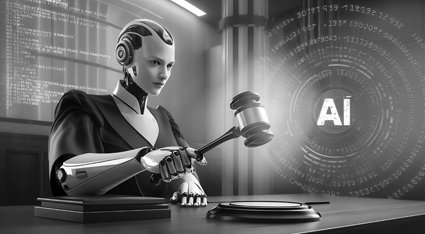

AI in the Legal Industry: How Automation and Predictive Analytics Are Transforming Legal Operations

Introduction

The legal industry is undergoing a technological revolution, with AI-powered automation and predictive analytics reshaping how legal professionals work. AI is streamlining legal research, automating document drafting, and improving case predictions, making legal operations more efficient and data-driven.

In 2025, law firms, corporate legal departments, and legal tech startups that integrate AI into their workflows will gain a competitive advantage by reducing manual work, increasing accuracy, and delivering better legal outcomes. AI is not replacing lawyers—it’s empowering them with intelligent tools that enhance productivity and decision-making.

How AI is Transforming Legal Operations

AI-Powered Legal Research

AI-driven legal research platforms analyze vast amounts of case law, statutes, and regulations in seconds. Lawyers can access relevant precedents and legal insights faster than ever, improving case preparation and legal strategy.

Automated Legal Document Drafting

AI automates contract drafting, legal memos, and compliance documents by analyzing templates and generating contextually relevant content. This reduces drafting time while ensuring accuracy and consistency.

Predictive Legal Analytics & Case Outcome Predictions

AI-powered predictive analytics assess case outcomes based on historical data, judicial rulings, and litigation patterns. Legal professionals use AI insights to strategize effectively and anticipate possible legal decisions.

Key Benefits of AI in the Legal Industry

Faster Legal Research & Case Preparation

AI accelerates legal research, enabling lawyers to find relevant case laws and precedents instantly.

Enhanced Accuracy in Legal Document Automation

AI minimizes human errors in contracts, compliance documents, and legal filings, ensuring higher accuracy and consistency.

Improved Litigation Strategy with AI-Driven Insights

Predictive analytics help legal professionals assess risks, anticipate case outcomes, and optimize litigation strategies.

Cost Reduction & Increased Efficiency

By automating repetitive legal tasks, law firms and corporate legal teams reduce operational costs and increase efficiency.

How Legal Professionals Can Leverage AI

Adopt AI-Powered Legal Research Tools

Law firms should integrate AI-driven research platforms that analyze case law, statutes, and regulatory frameworks in real time.

Implement AI for Contract Analysis & Compliance

AI assists legal teams in reviewing contracts, identifying risks, and ensuring compliance with ever-changing regulations.

Utilize AI for Litigation Prediction & Risk Assessment

AI models assess case history, judicial behavior, and legal precedents to predict case outcomes and litigation risks.

Automate Document Drafting & Workflow Management

Law firms and corporate legal teams can use AI to automate legal drafting, reducing time spent on routine paperwork and administrative tasks.

Challenges in AI-Powered Legal Transformation

Ethical & Regulatory Concerns

Legal AI systems must adhere to strict ethical and compliance guidelines to ensure fairness, transparency, and non-bias in legal decision-making.

AI Integration with Existing Legal Systems

Many law firms rely on legacy case management software that may not be compatible with AI-driven tools. A structured AI adoption plan is necessary.

AI Training & Legal Industry Adoption

Legal professionals need training to effectively utilize AI tools, ensuring AI augments legal work without replacing critical human judgment.

The Future of AI in Legal Services

AI is revolutionizing the legal industry by enhancing research efficiency, automating documentation, and predicting case outcomes. Law firms and legal professionals that embrace AI will benefit from increased efficiency, reduced costs, and improved legal strategies.

The legal industry is not about replacing lawyers with AI—it’s about empowering them with intelligent, data-driven tools. The question is not whether AI will transform legal services, but how quickly firms and legal teams can adopt AI-driven solutions to stay ahead in a fast-changing landscape.

AI in Education: How Intelligent Tutoring and Automation Are Transforming Learning

Introduction

The way we learn is evolving, and AI is leading the transformation. AI-powered tutoring systems are making education more personalized, engaging, and efficient. Businesses and educators are leveraging AI-driven platforms like Knolzi.ai to create interactive training content, automate onboarding, and track learner performance in real time.

In 2025, corporate training leaders and content creators who adopt AI-driven tutoring systems will gain a competitive advantage by improving engagement, accelerating learning, and optimizing training outcomes. AI is not just enhancing education—it’s redefining it.

How AI is Reshaping Learning and Training

AI-Powered Personalized Learning

AI analyzes learner behavior, adapts to individual learning styles, and delivers customized content that improves retention and engagement. With AI-driven personalization, every learner receives a tailored experience that maximizes understanding and skill development.

AI-Driven Tutoring Systems for Corporate Training

AI-powered platforms like Knolzi.ai provide interactive tutoring systems that simulate real-world scenarios, assess knowledge gaps, and provide real-time feedback, making corporate training more effective.

Automating Onboarding with AI-Driven Content

Companies can use AI to automate employee onboarding, ensuring new hires receive personalized, structured training programs that enhance engagement and retention.

Key Benefits of AI in Education and Training

Scalable and Efficient Learning

AI eliminates manual training processes and allows businesses to scale learning programs without increasing instructor workload.

Real-Time Performance Measurement

AI-driven analytics track learner progress, providing actionable insights that help educators and businesses optimize training programs.

Automated Content Creation and Curation

AI-powered platforms like Knolzi.ai assist trainers and content creators in designing, structuring, and delivering high-quality learning materials effortlessly.

Engaging, Interactive AI-Driven Content

AI generates interactive learning experiences using simulations, gamification, and adaptive learning techniques to improve knowledge retention.

How Companies Can Leverage AI-Driven Education Solutions

Implement AI-Powered Training Platforms

Enterprises should deploy AI-driven learning systems to provide personalized training programs for employees and trainees.

Automate Learning Assessments and Feedback

AI-driven performance tracking tools help companies assess employee knowledge gaps, deliver personalized assessments, and adjust learning paths accordingly.

Use AI for Continuous Learning and Upskilling

AI-powered systems provide ongoing skill development, helping employees stay ahead in an evolving business landscape.

Integrate Knolzi.ai for AI-First Content Creation

Corporate trainers and content creators can leverage Knolzi.ai to generate AI-driven training content, automate course structuring, and optimize learning experiences.

Challenges in AI-Driven Learning Adoption

Adoption Resistance from Traditional Trainers

Educators and trainers may be hesitant to transition from traditional teaching methods to AI-driven learning platforms. Businesses must demonstrate AI’s value in improving learning outcomes.

Data Privacy and AI Ethics in Learning

AI-powered learning systems must comply with data protection regulations to ensure the security and confidentiality of learner data.

Customization of AI Models for Niche Training Needs

While AI-driven tutoring systems are powerful, businesses must fine-tune AI models to align with specific training requirements and industry needs.

The Future of AI-Driven Learning and Corporate Training

AI is transforming education and corporate training by making learning more interactive, scalable, and personalized. Organizations that integrate AI-powered tutoring systems and AI-driven content creation platforms like Knolzi.ai will lead the next generation of workforce training.

The future of learning is AI-powered, and businesses must act now to adopt intelligent learning systems, automate training, and enhance workforce development. AI is not just improving education—it is setting a new benchmark for intelligent, data-driven learning experiences.

The Role of AI in Enhancing Customer Service and Support: Faster, Smarter, and More Personalized

Introduction

Customer service is evolving rapidly, and AI is playing a critical role in enhancing customer experiences. From AI-powered chatbots to predictive customer analytics, businesses are leveraging AI to provide faster, smarter, and more personalized customer support. AI-driven solutions are not just improving efficiency; they are transforming how businesses interact with customers.

In 2025, enterprises that fail to integrate AI into their customer service strategies will struggle to meet rising consumer expectations. AI-powered support is no longer an option—it’s the new standard for businesses that prioritize customer satisfaction and loyalty.

How AI is Revolutionizing Customer Service

AI-Powered Chatbots & Virtual Assistants

AI-driven chatbots handle routine customer inquiries, resolve common issues, and provide instant responses. Businesses use AI chatbots to enhance customer engagement while reducing the workload on human agents.

Predictive Customer Analytics for Proactive Support

AI analyzes customer behavior, past interactions, and preferences to predict potential issues before they arise. Predictive support allows businesses to proactively resolve problems and enhance customer retention.

Automated Self-Service Solutions

AI-powered self-service portals and knowledge bases enable customers to find answers without human intervention. This improves response times and enhances the overall customer experience.

Key Benefits of AI-Driven Customer Service

Faster Response Times

AI chatbots and virtual assistants provide immediate responses, reducing customer wait times and improving satisfaction.

24/7 Customer Support Availability

AI-driven customer service solutions operate around the clock, ensuring businesses can support customers anytime, anywhere.

Personalized Customer Interactions

AI personalizes interactions based on customer history, preferences, and sentiment analysis, making engagements more relevant and effective.

Cost Reduction in Customer Support Operations

By automating repetitive support tasks, businesses can reduce staffing costs while maintaining high-quality service levels.

How Businesses Can Implement AI for Customer Support

Deploy AI-Powered Chatbots & Voice Assistants

Organizations should integrate AI-driven chatbots into their websites, mobile apps, and messaging platforms for instant customer support.

Utilize AI for Customer Sentiment Analysis

AI-powered sentiment analysis helps businesses understand customer emotions and adjust responses to improve satisfaction.

Implement AI-Driven Knowledge Management Systems

AI organizes customer support knowledge bases, making it easier for customers to find relevant information without agent intervention.

Automate Ticketing and Case Management

AI streamlines ticketing workflows by categorizing and prioritizing customer requests, ensuring faster issue resolution.

Challenges in AI-Driven Customer Service

Maintaining a Human Touch in AI Interactions

While AI improves efficiency, businesses must ensure customer interactions remain personalized and empathetic.

AI Training and Continuous Improvement

AI-powered customer support models require continuous learning and optimization to improve accuracy and relevance.

Data Privacy and Security Concerns

AI-driven customer analytics must comply with data protection regulations to maintain customer trust and security.

The Future of AI in Customer Service

AI is transforming customer service by making support interactions faster, more efficient, and highly personalized. Businesses that adopt AI-driven customer engagement strategies will build stronger relationships, increase customer loyalty, and improve overall service quality.

The future of customer service is AI-enhanced. Companies must act now to integrate AI into their support ecosystems and deliver seamless, proactive, and intelligent customer experiences. The question is not whether AI will redefine customer support—it already has.

How AI is Driving Digital Transformation Across Industries

Introduction

AI is at the core of digital transformation, reshaping industries by automating operations, enhancing customer experiences, and enabling data-driven decision-making. Businesses that embrace AI-driven transformation are achieving faster innovation, greater efficiency, and a competitive edge in their respective markets.

In 2025, organizations that fail to integrate AI into their digital strategies will struggle to keep up with competitors who are leveraging AI to optimize workflows, personalize services, and streamline decision-making. AI is no longer just an enabler—it is the driving force behind the future of business transformation.

How AI is Transforming Industries

AI in Healthcare: Enhancing Patient Care and Diagnostics

AI-powered diagnostics, predictive analytics, and robotic process automation are improving patient outcomes. AI assists doctors in detecting diseases early, personalizing treatments, and optimizing hospital operations.

AI in Finance: Risk Management and Fraud Detection

Financial institutions are using AI to detect fraudulent transactions, optimize credit risk assessment, and automate compliance processes. AI enhances decision-making by analyzing financial data and predicting market trends.

AI in Retail: Personalized Shopping and Inventory Management

AI enables retailers to offer personalized recommendations, predict demand, and optimize inventory levels. AI-powered chatbots enhance customer engagement, while computer vision improves in-store experiences.

AI in Manufacturing: Smart Factories and Predictive Maintenance

AI-driven automation and IoT-powered predictive maintenance are reducing downtime and improving production efficiency. Manufacturers use AI to detect defects, optimize supply chains, and enhance operational safety.

Key Benefits of AI in Digital Transformation

Faster Innovation and Agility

AI accelerates product development, streamlines operations, and enables businesses to adapt quickly to changing market demands.

Improved Customer Experience

AI-driven chatbots, personalized recommendations, and predictive analytics enhance customer interactions and satisfaction.

Operational Efficiency and Cost Reduction

AI-powered automation reduces human intervention, lowers operational costs, and improves overall business efficiency.

Enhanced Data-Driven Decision-Making

AI analyzes vast amounts of data in real time, providing business leaders with actionable insights for strategic decision-making.

How Enterprises Can Implement AI in Digital Transformation

Identify AI Opportunities Across Business Functions

Enterprises should assess where AI can drive the most value, such as customer service automation, supply chain optimization, or risk management.

Deploy AI-Powered Analytics and Automation

Organizations should integrate AI-driven analytics tools, machine learning models, and automation platforms to streamline operations.

Modernize IT Infrastructure with AI and Cloud

AI adoption requires cloud-based infrastructure and scalable data processing capabilities. Businesses must invest in AI-friendly IT ecosystems.

Train Employees for an AI-Enabled Workforce

Successful digital transformation requires upskilling employees and creating a culture that embraces AI-driven innovation.

Challenges in AI-Powered Digital Transformation

AI Integration with Legacy Systems

Many enterprises rely on outdated IT systems that are not AI-compatible. A phased AI adoption approach ensures smooth integration.

Data Privacy and Security Concerns

AI-powered systems must comply with data protection regulations and ensure secure handling of sensitive business data.

Change Management and AI Adoption

Employees may resist AI-driven transformation. Organizations must prioritize training and change management initiatives.

The Future of AI-Driven Digital Transformation

AI is redefining digital transformation by enabling businesses to operate more efficiently, innovate faster, and improve customer experiences. Organizations that integrate AI-driven automation, predictive analytics, and intelligent decision-making will lead the next wave of digital transformation.

The future belongs to enterprises that embrace AI as a strategic enabler. The question is not whether to integrate AI—but how quickly businesses can adopt AI-powered solutions to stay ahead in a rapidly evolving digital landscape.

AI in Enterprise Decision-Making: How Businesses Can Leverage AI for Smarter Strategies

Introduction

AI is no longer a futuristic concept—it’s transforming how businesses make strategic decisions today. Enterprises leveraging AI-driven decision-making gain real-time insights, optimize operations, and predict market trends with greater accuracy. AI empowers leaders to move beyond intuition and embrace data-backed strategies that drive growth.

In 2025, organizations that fail to adopt AI-powered decision-making will struggle to compete with enterprises that use AI for predictive analytics, business intelligence, and risk management. AI is revolutionizing decision-making, making businesses more agile, informed, and proactive.

How AI is Transforming Enterprise Decision-Making

AI-Powered Business Intelligence

AI processes vast amounts of data to generate actionable insights in real time. AI-driven business intelligence tools enable executives to monitor key performance indicators, identify trends, and make informed decisions faster.

Predictive Analytics for Strategic Planning

AI-driven predictive analytics use historical data and machine learning models to forecast demand, optimize resource allocation, and assess market risks. Businesses can anticipate challenges before they arise and create proactive strategies.

AI in Risk Management and Fraud Detection

AI enhances enterprise security by analyzing transactional data, detecting anomalies, and identifying potential fraud risks. Organizations use AI-powered risk management systems to prevent losses and ensure regulatory compliance.

Key Benefits of AI-Driven Decision-Making

Faster and More Accurate Decision-Making

AI automates data analysis, enabling businesses to make informed decisions instantly rather than relying on manual reporting.

Enhanced Market Competitiveness

AI helps businesses identify new market opportunities, optimize pricing strategies, and stay ahead of competitors by analyzing real-time data.

Cost Reduction and Resource Optimization

AI-driven forecasting ensures businesses allocate resources efficiently, reducing waste and improving operational efficiency.

AI-Assisted Decision Support for Executives

AI-powered dashboards and decision-support tools provide business leaders with data-driven insights, improving strategy development and execution.

How Enterprises Can Implement AI for Decision-Making

Integrate AI-Driven Analytics Platforms

Businesses should deploy AI-powered analytics platforms that collect and process real-time business data to generate insights.

Leverage AI for Predictive Modeling & Forecasting

AI-driven predictive modeling enables organizations to anticipate trends, optimize budgets, and improve supply chain management.

Automate Data-Driven Decision Workflows

Enterprises should use AI to automate data-driven decisions in marketing, sales, finance, and operations for enhanced agility.

Train Leadership Teams on AI Adoption

Executives and managers should be equipped with AI training to understand how to leverage AI insights for better decision-making.

Challenges in AI-Powered Decision-Making

Data Quality and AI Accuracy

AI models require high-quality data for accurate predictions. Businesses must ensure data integrity and consistency.

AI Bias and Ethical Considerations

AI models can inherit biases from historical data. Organizations must implement fairness and transparency measures in AI decision-making.

AI Integration with Legacy Systems

Many enterprises still operate on legacy systems that are not AI-compatible. A step-by-step AI adoption strategy is necessary for seamless integration.

The Future of AI in Enterprise Decision-Making

AI is revolutionizing enterprise decision-making by providing real-time intelligence, predictive insights, and automated risk management. Businesses that adopt AI-driven decision-making will gain a strategic advantage in an increasingly competitive landscape.

The future belongs to enterprises that embrace AI for smarter, faster, and more informed decision-making. The question is not whether businesses should use AI—but how quickly they can integrate AI-powered intelligence into their strategic processes.

AI and the Future of Work: How Automation is Changing Jobs and Workforce Dynamics

Introduction

The future of work is here, and AI is at the center of this transformation. Automation is changing the nature of jobs, reshaping workforce dynamics, and redefining employee roles across industries. AI is not just replacing repetitive tasks—it’s augmenting human capabilities, allowing workers to focus on higher-value activities.

In 2025, businesses that embrace AI-driven workforce solutions will gain a competitive edge by enhancing employee productivity, streamlining operations, and enabling continuous upskilling. The key to success is not resisting AI, but learning how to work alongside it.

How AI is Changing Workforce Dynamics

AI-Assisted Jobs & Augmented Workflows

AI is automating routine tasks such as data entry, customer support, and compliance monitoring, allowing employees to focus on problem-solving, strategy, and innovation. AI-assisted tools enhance productivity by providing real-time recommendations and optimizing workflows.

The Rise of AI-Augmented Roles

As AI takes over repetitive functions, new job roles are emerging. AI trainers, AI ethicists, and automation specialists are becoming crucial to managing, training, and improving AI systems. Instead of replacing jobs, AI is creating opportunities for workforce evolution.

AI and Decision-Making in the Workplace

AI-powered analytics enable data-driven decision-making by providing real-time insights into business operations, workforce performance, and customer behavior. Leaders who leverage AI for strategic decision-making can respond to market changes faster and more effectively.

Key Benefits of AI in the Workplace

Increased Productivity & Efficiency

AI eliminates time-consuming manual tasks, allowing employees to focus on high-impact work that drives business growth.

Enhanced Workforce Upskilling & Reskilling

AI-powered learning platforms help employees acquire new skills, adapt to technological changes, and stay competitive in an evolving job market.

Improved Work-Life Balance & Employee Satisfaction

Automation reduces workload stress, optimizes scheduling, and enhances work-life balance by allowing employees to focus on meaningful tasks instead of mundane processes.

AI-Driven HR & Talent Management

AI-powered recruitment tools analyze resumes, predict candidate success, and streamline hiring processes, improving talent acquisition and employee retention.

How Businesses Can Prepare for AI-Powered Workplaces

Invest in AI-Powered Workforce Tools

Organizations should deploy AI-driven collaboration tools, task automation platforms, and digital assistants to enhance employee productivity.

Develop a Workforce Upskilling Strategy

Businesses must implement AI-driven learning programs that help employees acquire AI-related skills, ensuring workforce adaptability.

Foster a Culture of AI Adoption

Leaders should promote AI adoption by demonstrating its benefits, addressing concerns, and encouraging employees to embrace AI-driven innovations.

Align AI with Business Goals & Workforce Strategies

AI should be integrated into HR, operations, and business strategies to create a seamless transition towards an AI-powered workplace.

Challenges in AI-Driven Workforce Transformation

Resistance to AI Adoption

Employees may fear job displacement due to AI automation. Transparent communication and reskilling programs are key to easing concerns.

Data Privacy & Ethical AI Use

AI-driven workforce management must comply with ethical standards and data privacy regulations to protect employee information.

Managing the Human-AI Balance

While AI optimizes efficiency, businesses must ensure that human oversight remains central to decision-making and creative problem-solving.

The Future of AI in the Workplace

AI is not replacing workers—it’s redefining how they work. The organizations that embrace AI-powered workforce transformation will drive innovation, improve efficiency, and create new opportunities for employees.

The future of work is AI-augmented, and businesses must prepare by integrating AI into their workflows, upskilling employees, and adapting to a dynamic workforce landscape. The key to success is collaboration—between humans and AI—to build a smarter, more efficient workplace for the future.

How AI is Revolutionizing Business Process Automation: From Efficiency to Innovation

Introduction

Business process automation is no longer just about eliminating repetitive tasks. AI is transforming how enterprises streamline workflows, enhance decision-making, and drive operational efficiency. AI-powered automation enables businesses to optimize complex processes, reduce human error, and free employees to focus on innovation.

In 2025, organizations that fail to integrate AI-driven process automation risk falling behind competitors that embrace intelligent automation for agility, scalability, and efficiency. AI is not just improving workflows—it’s redefining them.

The Role of AI in Business Process Automation

AI-Driven Workflow Automation

AI automates routine tasks such as data entry, invoice processing, and customer support responses. Machine learning models continuously improve automation efficiency, adapting workflows to business needs.

Intelligent Decision-Making & Process Optimization

AI doesn’t just automate tasks—it optimizes processes by analyzing data trends, predicting outcomes, and making informed decisions in real time. Enterprises use AI to allocate resources efficiently, improve response times, and reduce bottlenecks.

AI-Powered Document Processing & Compliance

Natural language processing (NLP) enables AI to extract key information from unstructured documents, automate compliance checks, and ensure regulatory adherence without human intervention.

Key Benefits of AI-Driven Business Process Automation

Increased Operational Efficiency

AI eliminates redundant manual processes, reducing execution time and improving overall efficiency.

Cost Reduction and Resource Optimization

By automating workflows, enterprises reduce labor costs, minimize operational expenses, and optimize resource allocation.

Improved Accuracy and Error Reduction

AI-powered automation reduces human errors in data processing, compliance reporting, and financial transactions.

Enhanced Employee Productivity

By offloading repetitive tasks to AI, employees can focus on strategic initiatives, creativity, and innovation.

How Businesses Can Implement AI for Process Automation

Identify Automation Opportunities

Organizations should assess workflows to identify high-impact automation opportunities in finance, HR, IT, and customer service.

Deploy AI-Enabled RPA Solutions

AI-powered Robotic Process Automation (RPA) systems streamline repetitive tasks while continuously improving efficiency.

Integrate AI with Existing Enterprise Systems

AI-driven automation should integrate with ERP, CRM, and cloud applications to create a seamless digital ecosystem.

Continuously Monitor and Optimize AI Models

AI-driven automation requires continuous learning. Businesses must refine AI models based on real-time performance data to maximize efficiency.

Challenges in AI-Powered Business Process Automation

AI Integration with Legacy Systems

Many enterprises still rely on outdated software, making AI integration challenging. A phased AI adoption approach helps mitigate risks.

Change Management & Employee Adoption

Employees may resist AI-driven automation due to concerns about job displacement. Organizations must prioritize training and demonstrate AI’s role in augmenting, not replacing, human workers.

Data Security & Compliance

AI-powered automation must comply with global data security regulations while processing sensitive business data. Organizations should implement AI governance frameworks to ensure compliance.

The Future of AI in Business Process Automation

AI is revolutionizing business process automation by enabling enterprises to operate faster, smarter, and more efficiently. Businesses that leverage AI-driven automation will not only streamline workflows but also gain a strategic advantage through intelligent decision-making.

The future of business is AI-powered. The challenge for enterprises is not whether to adopt AI-driven process automation—but how fast they can implement it to maximize productivity and innovation.

AI in Logistics: How Automation and Predictive Analytics Are Optimizing Supply Chains

Introduction

Logistics is becoming more complex, and traditional supply chain management systems are struggling to keep up with rising consumer expectations, fluctuating demand, and global disruptions. AI-powered logistics solutions are revolutionizing the industry by automating operations, optimizing routes, and enhancing demand forecasting.

In 2025, logistics providers, supply chain managers, and e-commerce businesses that fail to integrate AI-driven automation and predictive analytics will face inefficiencies, increased costs, and customer dissatisfaction. AI is no longer a competitive advantage—it’s an operational necessity.

How AI is Transforming Logistics and Supply Chains

AI-Driven Route Optimization

AI analyzes traffic patterns, weather conditions, and real-time road closures to optimize delivery routes. By reducing travel time and fuel costs, AI-powered route planning helps logistics companies improve efficiency and reduce environmental impact.

Predictive Demand Forecasting

AI-driven forecasting models analyze historical data, market trends, and seasonal fluctuations to predict demand accurately. This enables businesses to maintain optimal inventory levels, reducing stockouts and overstock situations.

Warehouse Automation & Robotics

AI-powered robotics and automated picking systems streamline warehouse operations by optimizing inventory placement, reducing labor costs, and increasing order fulfillment speed. AI-driven warehouses minimize human errors and improve productivity.

Key Benefits of AI in Logistics

Reduced Operational Costs

AI-driven automation reduces labor costs, optimizes fuel consumption, and improves overall supply chain efficiency.

Faster and More Accurate Deliveries

AI-powered logistics systems improve last-mile delivery, reducing delays and enhancing customer satisfaction.

Real-Time Tracking & Visibility

IoT-enabled AI solutions provide real-time tracking of shipments, allowing businesses to monitor deliveries and proactively address delays.

Sustainable Logistics Practices

AI minimizes waste and optimizes energy consumption, helping logistics providers achieve sustainability goals while reducing carbon emissions.

How Businesses Can Implement AI in Logistics

Integrate AI-Powered Fleet Management

Fleet managers can use AI-powered solutions to monitor vehicle performance, predict maintenance needs, and optimize delivery schedules.

Implement Predictive Analytics for Inventory Management

AI-driven inventory management helps businesses anticipate demand shifts and adjust procurement strategies accordingly.

Deploy AI-Powered Warehouse Robotics

Automated robotics systems powered by AI enhance order fulfillment, reduce labor costs, and improve warehouse efficiency.

Enhance Last-Mile Delivery with AI

AI-driven route planning and real-time traffic analysis optimize last-mile deliveries, improving customer satisfaction and reducing costs.

Challenges in AI Adoption for Logistics

High Initial Investment Costs

AI-driven logistics systems require significant upfront investment. However, businesses must focus on long-term ROI through cost savings and efficiency improvements.

Integration with Legacy Systems

Many logistics providers still rely on outdated supply chain management software. A phased AI adoption approach can help ease the transition.

Data Privacy & Security Concerns

AI processes vast amounts of logistics data, raising concerns about cybersecurity and compliance. Enterprises must implement strong data protection measures.

The Future of AI in Logistics

AI is redefining the logistics industry by optimizing operations, reducing costs, and enhancing efficiency. Companies that integrate AI-driven automation, predictive analytics, and intelligent logistics solutions will gain a competitive advantage in an increasingly fast-paced market.

The question is no longer whether AI will transform logistics—it already has. The real challenge is how quickly businesses can adopt AI to stay ahead of competitors and meet growing customer expectations.

Smart Manufacturing: How AI, IoT, and Cloud Computing Are Reshaping Production Lines

Introduction

Manufacturing is entering a new era of intelligence and automation. AI, IoT, and cloud computing are revolutionizing production lines, enabling real-time monitoring, predictive maintenance, and data-driven decision-making. Enterprises that adopt smart manufacturing will experience increased efficiency, reduced downtime, and greater agility in responding to market demands.

In 2025, manufacturers that fail to integrate AI-driven automation, IoT-enabled connectivity, and cloud-based analytics into their operations will struggle to remain competitive. Smart manufacturing is no longer an option—it is a necessity.

How AI, IoT, and Cloud Computing Work Together in Manufacturing

AI-Driven Automation for Precision Manufacturing

AI-powered robotics and machine learning algorithms optimize production workflows, reducing human errors and increasing efficiency. AI enables predictive decision-making, allowing manufacturers to adjust operations dynamically.

IoT for Real-Time Monitoring & Connectivity

IoT-connected sensors track machine performance, monitor environmental conditions, and detect production bottlenecks. This real-time visibility helps manufacturers prevent failures and improve supply chain management.

Cloud Computing for Scalable Data Processing

Cloud-based platforms store, process, and analyze vast amounts of manufacturing data. By leveraging cloud computing, businesses can access insights from any location and scale their operations seamlessly.

Key Benefits of AI, IoT, and Cloud Computing in Smart Manufacturing

Predictive Maintenance & Downtime Reduction

AI analyzes equipment performance to predict failures before they happen. IoT-enabled sensors send real-time alerts, allowing maintenance teams to address issues proactively and reduce unplanned downtime.

Optimized Production Efficiency

Smart manufacturing reduces waste, increases throughput, and improves resource allocation through AI-driven automation and real-time analytics.

Enhanced Supply Chain Visibility

Cloud-based systems track inventory levels, supplier performance, and production schedules, ensuring manufacturers have the right materials at the right time.

Energy Efficiency & Sustainability

AI-driven energy management systems optimize power consumption, reducing operational costs and minimizing environmental impact.

How Enterprises Can Implement Smart Manufacturing

Integrate IoT-Connected Sensors

Deploying IoT sensors across production lines helps manufacturers collect real-time data on machine health, environmental conditions, and production efficiency.

Implement AI-Driven Process Automation

AI-powered robotics and machine learning models optimize production line efficiency by adjusting workflows, reducing errors, and improving product quality.

Leverage Cloud-Based Manufacturing Analytics

Cloud computing enables manufacturers to analyze production data, track performance metrics, and scale their operations without hardware limitations.

Adopt Digital Twins for Production Optimization

Digital twin technology creates virtual models of physical assets, allowing manufacturers to test process improvements, predict system failures, and simulate production scenarios.

Challenges in Smart Manufacturing Adoption

Cybersecurity Risks in Connected Factories

As IoT devices become more prevalent in manufacturing, businesses must implement strong cybersecurity measures to protect against data breaches and unauthorized access.

Integration with Legacy Manufacturing Systems

Many factories rely on legacy systems that are not designed for AI or IoT integration. A phased implementation approach is necessary to transition towards smart manufacturing.

High Implementation Costs & ROI Concerns

Smart manufacturing requires investments in AI, IoT, and cloud infrastructure. However, businesses must focus on long-term ROI through reduced operational costs and increased production efficiency.

The Future of Smart Manufacturing

AI, IoT, and cloud computing are transforming manufacturing, enabling businesses to optimize production, enhance security, and reduce costs. Smart manufacturing is no longer a futuristic concept—it is the new standard for enterprises seeking efficiency and agility in their operations.

Manufacturers that embrace AI-driven automation and IoT connectivity will be better equipped to adapt to market changes, optimize production, and drive long-term growth. The future of manufacturing is intelligent, connected, and data-driven—and enterprises must act now to stay ahead of the curve.