AI in Cybersecurity: How Enterprises Can Use AI to Stay Ahead of Evolving Threats

Introduction

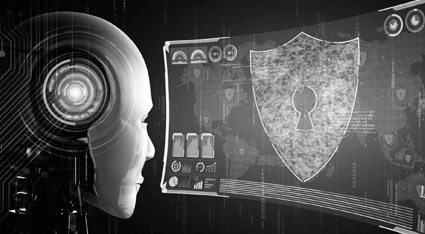
Cybersecurity threats are evolving at an unprecedented pace, and enterprises need AI-driven solutions to stay ahead of cybercriminals. AI-powered cybersecurity enhances threat detection, automates incident response, and provides predictive analytics to prevent attacks before they occur.

In 2025, businesses that fail to integrate AI into their cybersecurity strategies will be vulnerable to data breaches, ransomware attacks, and sophisticated cyber threats. AI is no longer just an enhancement—it’s an essential defense layer in enterprise security.

How AI is Revolutionizing Cybersecurity

AI-Powered Threat Detection and Response

AI-driven security systems analyze vast amounts of data in real time to identify and neutralize cyber threats. Machine learning models continuously learn from new attack patterns, allowing organizations to detect threats faster than traditional security systems.

Automated Incident Response with AI

AI-powered security solutions automate threat mitigation by instantly isolating compromised systems, blocking suspicious activities, and alerting security teams before major breaches occur.

Predictive Cybersecurity Analytics

AI analyzes historical attack data, network behavior, and system vulnerabilities to predict potential security risks. Businesses can proactively address threats before they escalate, improving overall security resilience.

Key Benefits of AI in Enterprise Cybersecurity

Real-Time Threat Detection and Response

AI reduces the time it takes to detect and respond to cyber threats, preventing major security breaches.

Adaptive Security Frameworks

Unlike traditional security tools, AI-driven systems evolve continuously to counter new attack strategies.

Reduced False Positives in Security Alerts

AI refines threat detection accuracy, minimizing unnecessary alerts and enabling security teams to focus on real risks.

AI-Driven Fraud Prevention

AI monitors transactions, user behavior, and access patterns to detect fraudulent activities before they cause damage.

How Enterprises Can Implement AI-Powered Cybersecurity

Deploy AI-Driven Threat Intelligence Systems

Enterprises should integrate AI-powered security tools that continuously scan for vulnerabilities and emerging threats.

Leverage AI for Behavioral Analytics

AI monitors employee and system behavior to identify anomalies that could indicate potential security breaches.

Automate Incident Response and Mitigation

Businesses should use AI-driven automation to respond to cyber incidents instantly, reducing the impact of attacks.

Enhance Cloud Security with AI

AI secures cloud environments by monitoring access controls, detecting unauthorized activity, and ensuring compliance.

Challenges in AI-Powered Cybersecurity

AI vs. AI Cyber Threats

As AI strengthens cybersecurity, cybercriminals are also leveraging AI to launch more sophisticated attacks. Enterprises must continuously update AI-driven security models.

Data Privacy and Compliance

AI-powered security tools must comply with regulations like GDPR and CCPA while handling sensitive business and customer data.

Integration with Legacy Security Systems

Many businesses still rely on outdated security frameworks that require adaptation to support AI-driven cybersecurity solutions.

The Future of AI in Enterprise Cybersecurity

AI is reshaping cybersecurity by providing faster, smarter, and more adaptive threat defense. Enterprises that embrace AI-driven security solutions will strengthen their defenses, mitigate risks, and protect sensitive data against emerging cyber threats.

The future of cybersecurity is AI-powered, and businesses must act now to integrate AI into their security frameworks. The question is not whether AI will transform cybersecurity—it already has. The real challenge is how quickly organizations can adopt AI to stay ahead of cybercriminals in an increasingly digital world.

AI in Enterprise Decision-Making: How Businesses Can Leverage AI for Smarter Strategies

Introduction

AI is no longer a futuristic concept—it’s transforming how businesses make strategic decisions today. Enterprises leveraging AI-driven decision-making gain real-time insights, optimize operations, and predict market trends with greater accuracy. AI empowers leaders to move beyond intuition and embrace data-backed strategies that drive growth.

In 2025, organizations that fail to adopt AI-powered decision-making will struggle to compete with enterprises that use AI for predictive analytics, business intelligence, and risk management. AI is revolutionizing decision-making, making businesses more agile, informed, and proactive.

How AI is Transforming Enterprise Decision-Making

AI-Powered Business Intelligence

AI processes vast amounts of data to generate actionable insights in real time. AI-driven business intelligence tools enable executives to monitor key performance indicators, identify trends, and make informed decisions faster.

Predictive Analytics for Strategic Planning

AI-driven predictive analytics use historical data and machine learning models to forecast demand, optimize resource allocation, and assess market risks. Businesses can anticipate challenges before they arise and create proactive strategies.

AI in Risk Management and Fraud Detection

AI enhances enterprise security by analyzing transactional data, detecting anomalies, and identifying potential fraud risks. Organizations use AI-powered risk management systems to prevent losses and ensure regulatory compliance.

Key Benefits of AI-Driven Decision-Making

Faster and More Accurate Decision-Making

AI automates data analysis, enabling businesses to make informed decisions instantly rather than relying on manual reporting.

Enhanced Market Competitiveness

AI helps businesses identify new market opportunities, optimize pricing strategies, and stay ahead of competitors by analyzing real-time data.

Cost Reduction and Resource Optimization

AI-driven forecasting ensures businesses allocate resources efficiently, reducing waste and improving operational efficiency.

AI-Assisted Decision Support for Executives

AI-powered dashboards and decision-support tools provide business leaders with data-driven insights, improving strategy development and execution.

How Enterprises Can Implement AI for Decision-Making

Integrate AI-Driven Analytics Platforms

Businesses should deploy AI-powered analytics platforms that collect and process real-time business data to generate insights.

Leverage AI for Predictive Modeling & Forecasting

AI-driven predictive modeling enables organizations to anticipate trends, optimize budgets, and improve supply chain management.

Automate Data-Driven Decision Workflows

Enterprises should use AI to automate data-driven decisions in marketing, sales, finance, and operations for enhanced agility.

Train Leadership Teams on AI Adoption

Executives and managers should be equipped with AI training to understand how to leverage AI insights for better decision-making.

Challenges in AI-Powered Decision-Making

Data Quality and AI Accuracy

AI models require high-quality data for accurate predictions. Businesses must ensure data integrity and consistency.

AI Bias and Ethical Considerations

AI models can inherit biases from historical data. Organizations must implement fairness and transparency measures in AI decision-making.

AI Integration with Legacy Systems

Many enterprises still operate on legacy systems that are not AI-compatible. A step-by-step AI adoption strategy is necessary for seamless integration.

The Future of AI in Enterprise Decision-Making

AI is revolutionizing enterprise decision-making by providing real-time intelligence, predictive insights, and automated risk management. Businesses that adopt AI-driven decision-making will gain a strategic advantage in an increasingly competitive landscape.

The future belongs to enterprises that embrace AI for smarter, faster, and more informed decision-making. The question is not whether businesses should use AI—but how quickly they can integrate AI-powered intelligence into their strategic processes.

The Intersection of AI, Blockchain, and IoT: How Enterprises Can Build Smarter, More Secure Systems

Introduction

The convergence of AI, blockchain, and IoT is transforming how enterprises operate, secure their data, and automate real-time decision-making. These three technologies—when combined—offer unparalleled security, efficiency, and intelligence, making businesses more resilient and future-proof.

In 2025, enterprises that fail to integrate AI-driven analytics, blockchain-enabled security, and IoT-driven automation will struggle to compete in a fast-evolving digital landscape. Businesses must understand how to leverage these technologies together to build smarter, more secure, and autonomous systems.

How AI, Blockchain, and IoT Work Together

AI for Real-Time Decision-Making

AI enables enterprises to analyze real-time IoT data, optimize operations, and make predictive decisions. AI-driven analytics help businesses forecast machine failures, detect anomalies, and automate responses to changing conditions.

Blockchain for Data Security and Transparency

Blockchain secures IoT data by creating an immutable, tamper-proof ledger. Enterprises use blockchain to protect data from cyber threats, ensure regulatory compliance, and improve transparency in connected ecosystems.

IoT for Seamless Connectivity & Automation

IoT connects physical devices, sensors, and machines, collecting and transmitting data in real time. By integrating AI and blockchain, businesses can automate processes, track assets, and enable secure data sharing across networks.

Key Benefits of AI, Blockchain, and IoT Integration

Enhanced Security & Data Integrity

Blockchain ensures that IoT-generated data remains secure and tamper-proof, while AI continuously monitors for anomalies and cyber threats.

Real-Time, AI-Driven Automation

AI processes data collected by IoT devices to optimize business processes, reducing downtime and improving efficiency.

Smart Contracts for Automated Transactions

Blockchain-powered smart contracts enable secure, automated transactions between IoT-connected devices, eliminating the need for intermediaries and reducing operational costs.

Predictive Maintenance & Asset Tracking

AI-powered predictive analytics combined with IoT data helps businesses forecast equipment failures, optimize maintenance schedules, and extend the lifespan of industrial assets.

How Enterprises Can Implement AI, Blockchain, and IoT

Identify Key Use Cases

Enterprises must define where AI, blockchain, and IoT integration can provide the most impact, such as supply chain tracking, smart contracts, or automated industrial workflows.

Secure IoT Networks with Blockchain

Implementing blockchain technology enhances security for IoT networks by preventing data tampering, ensuring device authentication, and eliminating centralized vulnerabilities.

Deploy AI for Predictive Analytics

AI-driven analytics help enterprises optimize operations by predicting trends, preventing failures, and improving decision-making.

Automate Workflows with Smart Contracts

Smart contracts enable automated, self-executing agreements between IoT-connected systems, reducing the need for manual intervention.

Challenges in Integrating AI, Blockchain, and IoT

Scalability & Data Processing Complexity

Managing the massive volume of data generated by IoT devices while ensuring AI processing and blockchain storage scalability remains a challenge.

Security & Privacy Concerns

While blockchain enhances security, enterprises must ensure that AI models and IoT networks comply with data privacy regulations.

High Implementation Costs & Skill Gaps

Enterprises must invest in skilled professionals and robust infrastructure to successfully integrate these technologies, which can be costly without a clear ROI strategy.

The Future of AI, Blockchain, and IoT in Enterprises

The integration of AI, blockchain, and IoT is revolutionizing industries, enabling businesses to operate smarter, more securely, and more efficiently. Enterprises that strategically adopt these technologies will gain a significant competitive advantage, optimizing operations, enhancing security, and automating decision-making.

The future belongs to businesses that embrace interconnected, intelligent, and decentralized systems. The question is not whether to integrate AI, blockchain, and IoT—but how quickly enterprises can leverage them for sustainable growth and security.

How Enterprises Can Build an AI-Powered Digital Transformation Roadmap

Introduction

Digital transformation is no longer about migrating to the cloud or modernizing IT infrastructure—it’s about leveraging AI to drive business growth, improve decision-making, and automate complex processes. In 2025, enterprises that fail to adopt AI-driven transformation strategies risk becoming obsolete.

AI isn’t just a tool; it’s a strategic enabler that redefines how businesses operate. But integrating AI into an enterprise requires a structured approach, clear objectives, and the right technology stack.

Why AI is the Key to Digital Transformation

Enhancing Decision-Making with AI

AI enables enterprises to analyze vast datasets in real time, uncover patterns, and generate actionable insights. From predictive analytics to AI-driven forecasting, enterprises can make smarter, data-backed decisions faster than ever.

AI-Driven Automation & Efficiency

Enterprises can streamline workflows and eliminate repetitive tasks with AI-powered automation. From HR and finance to customer service and supply chain management, AI is driving efficiency across business functions.

Customer Experience Transformation

AI-driven chatbots, recommendation engines, and hyper-personalized experiences are changing how businesses interact with customers. Enterprises that leverage AI for customer engagement see higher retention and satisfaction rates.

The AI-Powered Digital Transformation Roadmap

Step 1: Define AI Objectives & Business Goals

Before implementing AI, enterprises must identify specific goals: Is the goal to improve operational efficiency? Enhance customer experiences? Reduce costs? Clear objectives ensure a well-structured AI adoption strategy.

Step 2: Assess AI Readiness & Data Maturity

AI relies on high-quality data. Enterprises need to evaluate their existing data infrastructure, governance policies, and integration capabilities before implementing AI solutions.

Step 3: Choose the Right AI Technologies

From machine learning and deep learning to natural language processing and AI-powered automation, enterprises must select the right AI tools tailored to their needs.

Step 4: Start with AI Pilots & Scale Gradually

Successful digital transformation doesn’t happen overnight. Enterprises should start with pilot AI projects, test the impact, and then scale solutions across the organization.

Step 5: Integrate AI with Existing Systems

AI must seamlessly integrate with existing enterprise systems, including CRM, ERP, and cloud infrastructure. This requires API-driven architecture and cloud-native solutions.

Step 6: Train Employees & Build an AI-First Culture

AI adoption is not just a technology shift—it’s a cultural shift. Enterprises must invest in AI training programs and encourage employees to embrace AI-driven workflows.

Step 7: Continuously Monitor & Optimize AI Models

AI models need continuous improvement. Enterprises must establish AI governance policies, monitor model performance, and optimize algorithms regularly to ensure accuracy and relevance.

Challenges in AI-Powered Digital Transformation

Resistance to AI Adoption

Employees and leadership teams may resist AI-driven changes. Clear communication and training programs are key to successful adoption.

Data Privacy & Security Concerns

Enterprises handling sensitive customer data must comply with global data privacy regulations and ensure AI models do not introduce security vulnerabilities.

Managing AI Bias & Ethics

AI models can inherit biases from historical data. Enterprises must ensure AI systems are transparent, fair, and ethically aligned with business values.

The Future is AI-Driven

AI-powered digital transformation is not an option—it’s a necessity. Enterprises that build structured AI roadmaps will experience higher efficiency, faster innovation, and better customer engagement.

The key to success is not just implementing AI, but integrating it seamlessly into business operations. Enterprises that embrace AI now will lead their industries in 2025 and beyond. The question isn’t whether AI should be adopted—it’s how fast enterprises can transform to stay ahead of the competition.

The Role of AI in Cybersecurity: How Enterprises Can Stay Ahead of Evolving Threats

Introduction

Cybersecurity threats are evolving at an unprecedented pace, and traditional security frameworks are struggling to keep up. Enterprises today face more sophisticated cyberattacks, from AI-powered phishing attempts to deepfake fraud. In response, businesses are turning to AI-driven cybersecurity solutions to detect, prevent, and mitigate threats in real time.

In 2025, enterprises that fail to integrate AI into their cybersecurity strategies will find themselves vulnerable. AI is no longer a luxury—it’s a necessity for staying ahead of cybercriminals and protecting sensitive data.

How AI is Revolutionizing Cybersecurity

AI-Powered Threat Detection

AI-driven threat detection systems analyze network traffic, user behavior, and system logs to identify anomalies. Unlike traditional rule-based security measures, AI continuously learns from new cyberattack patterns, detecting threats before they cause damage.

Predictive Analytics for Cyber Risk Assessment

Predictive AI models assess cybersecurity risks by analyzing historical attack data and system vulnerabilities. Enterprises use AI-driven insights to identify potential security gaps and strengthen defenses before an attack occurs.

Automated Incident Response & Remediation

AI-powered security systems don’t just detect threats—they respond to them automatically. AI-driven automation enables faster threat containment, isolating compromised systems and mitigating risks without human intervention.

Key Benefits of AI in Cybersecurity

Faster Threat Detection & Response

AI significantly reduces the time needed to identify and respond to cyber threats, preventing major security breaches.

Reduced False Positives in Security Alerts

AI models improve accuracy in detecting real threats, minimizing false alarms that often overwhelm security teams.

AI-Driven Fraud Prevention

AI analyzes transactional data to detect fraudulent activities, protecting businesses from financial losses and identity theft.

Adaptive Security Frameworks

Unlike traditional cybersecurity tools that rely on static rules, AI-based security systems adapt to evolving attack strategies, making them more effective over time.

How Enterprises Can Implement AI-Powered Cybersecurity

Deploy AI-Powered Endpoint Security

AI-driven endpoint security solutions continuously monitor devices for suspicious activities, preventing malware attacks before they infiltrate enterprise networks.

Leverage AI for Cloud Security & Compliance

AI helps enterprises secure cloud infrastructure by detecting unauthorized access attempts, ensuring compliance with regulatory standards like GDPR and CCPA.

Use AI for Behavioral Analytics & Anomaly Detection

AI monitors user behavior patterns to detect insider threats and unusual activities, flagging potential security risks before data breaches occur.

Automate Security Operations with AI

Enterprises can integrate AI into their security operations center (SOC) to automate threat detection, incident response, and compliance reporting, reducing the workload for security teams.

Challenges in AI-Powered Cybersecurity

Adversarial AI & AI-Powered Cyber Threats

Cybercriminals are using AI to bypass security defenses. Enterprises must continuously evolve their AI-driven security strategies to counter emerging threats.

Data Privacy & AI Ethics in Cybersecurity

While AI enhances security, it also raises concerns about data privacy. Enterprises must ensure that AI-driven security solutions comply with privacy regulations and ethical AI practices.

Integration with Legacy Security Systems

Many organizations struggle with integrating AI into existing security infrastructures. A step-by-step AI adoption plan helps ensure seamless integration without disrupting operations.

The Future of AI in Cybersecurity

AI is reshaping cybersecurity by enabling faster threat detection, proactive risk management, and automated security responses. Enterprises that leverage AI-powered security solutions will be better equipped to handle emerging cyber threats and safeguard their digital assets.

The future of cybersecurity is AI-driven. The question is not whether enterprises should adopt AI for security—but how quickly they can integrate AI-powered defense mechanisms to stay ahead of cybercriminals in an increasingly complex threat landscape.

How AI and Automation Are Reshaping Enterprise Operations in 2025

The AI-Driven Shift in Enterprise Operations

AI isn’t coming. It’s already here. And in 2025, enterprises that fail to embrace AI-driven automation will struggle to compete. The game is no longer about doing things faster—it’s about doing things smarter.

From predictive analytics to AI-powered process automation, businesses are leveraging technology not just to optimize workflows but to redefine how they operate.

AI and automation aren’t about replacing humans. They’re about amplifying human potential. In 2025, the most competitive enterprises will be those that understand how to merge AI with human expertise.

Key Trends Driving AI and Automation in Enterprises

1. Hyperautomation is Becoming the Standard

Hyperautomation—where AI, robotic process automation (RPA), and machine learning combine to automate end-to-end workflows—is no longer optional. Enterprises are automating complex decision-making processes, from financial forecasting to customer service resolution.

2. AI-Powered Predictive Analytics is Replacing Reactive Decision-Making

Enterprises are shifting from reactive analytics (looking at past data) to predictive insights that help leaders anticipate problems before they happen. AI-powered forecasting tools are enabling businesses to optimize everything from inventory management to employee performance.

3. AI is Transforming the Customer Experience

From AI-driven chatbots to personalized recommendations, customer interactions are becoming smarter and more human-like. In 2025, enterprises that fail to deliver AI-enhanced, hyper-personalized customer experiences will fall behind.

4. AI and Automation Are Reshaping the Workforce

The workforce of 2025 isn’t just about automation replacing jobs—it’s about automation creating new roles. Businesses are upskilling employees to work alongside AI, rather than compete against it.

How Enterprises Can Leverage AI Today

For enterprises looking to future-proof their operations, here’s what’s working in 2025:

→ AI-Driven Workflow Automation

Eliminate bottlenecks and reduce manual work by integrating AI-powered process automation.

→ AI-Powered Decision Intelligence

Leverage AI models that can analyze millions of data points in real-time to improve decision-making.

→ AI-Augmented Workforce Strategies

Create AI-human collaboration models where employees focus on creativity, while AI handles data-driven execution.

Industry-Specific Impact of AI & Automation

AI in Manufacturing

Manufacturers are using AI for predictive maintenance, production planning, and supply chain optimization. AI-driven robotics and automation are reducing downtime and increasing efficiency.

AI in Healthcare

AI-powered diagnostics, robotic surgeries, and automated administrative processes are revolutionizing healthcare. Predictive analytics is improving patient outcomes by detecting diseases earlier.

AI in Retail

AI-driven personalization is transforming customer experiences in retail. Businesses are using AI to analyze customer behavior, optimize inventory, and create personalized marketing strategies.

AI in Financial Services

Banks and financial institutions are leveraging AI for fraud detection, automated trading, and risk assessment. AI chatbots are also improving customer service in the financial sector.

Challenges in AI Adoption & How Enterprises Can Overcome Them

1. Data Privacy & Security Concerns

With AI handling vast amounts of data, enterprises must prioritize cybersecurity and compliance to prevent data breaches.

2. Lack of AI Expertise

Many companies struggle with AI adoption due to a shortage of skilled professionals. Partnering with AI experts and investing in AI training programs can bridge this gap.

3. Integration with Existing Systems

Enterprises often face challenges when integrating AI into their legacy systems. A phased implementation approach and working with AI specialists can ensure a smooth transition.

The Future is AI-First

Enterprises that think AI is “just another trend” will miss out. AI isn’t replacing work—it’s redefining how work gets done.

In 2025, AI-first enterprises will dominate their industries, not just survive.

The question isn’t “should you adopt AI?”

The question is “how fast can you make the shift?”